Language

All procurement guides

The sample looks right. Why can the bulk order still feel different?

A gift-box sample cannot define a bulk order with a simple “OK”. Record the version, materials, assembly and appearance criteria so production and receiving teams work from the same reference.
Published
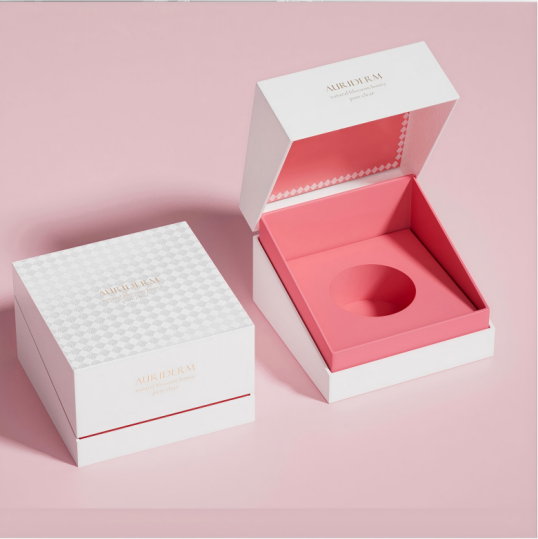
Hinged gift box with a circular insert opening
Box structure, insert opening and assembly condition should refer to the same approved version.
In this guide
  1. First identify what kind of sample you have
  2. Turn “produce as per sample” into an approval sheet
  3. Check product-to-box fit across a batch, not one lucky pair
  4. When something changes, reopen the approvals it affects

First identify what kind of sample you have

A plain sample can check structure, opening and product fit, but it cannot confirm final print colour. A sample made with substitute paper or a manual process may not represent the feel, corners or surface finish of mass production. The better a sample looks, the easier it is to overlook what it was actually made to verify.

Before approval, ask three questions: which final materials were used, which steps match the bulk process, and which features are only for checking structure or position. The answers define what can be approved now, before a finished order creates a debate about what “looks different” means.

Turn “produce as per sample” into an approval sheet

A useful approval record gives production, inspection and receiving teams the same version. Instead of “sample approved”, write: “Box structure, opening and product removal approved; face-paper colour and foil effect pending final material sample.” Separate approved, pending and substitute items so the schedule is not built on different assumptions.

  • Versionsample number, date, structural drawing and artwork belong to the same revision.
  • Materialsface paper, board, insert and surface finish are recorded separately; substitutes are clearly marked.
  • Assemblymagnets, ribbons and inserts are identified as fitted or loose, with the bulk-delivery state stated.
  • Appearancecolour reference, artwork position, wrapped edges and corners have an agreed basis for review.
  • Approval scopeapprover, date, approved and pending items, plus the physical sample or photo record retained by both sides.

Check product-to-box fit across a batch, not one lucky pair

One product fitting one insert proves only that pair. If the product can vary, identify the dimensions that affect assembly—such as the widest point, height, projections and removal space—then discuss the acceptable range. A loose fit can allow movement; a tight fit can hinder removal; contact with the lid can change how the box closes.

Colour should not be judged from phone photos alone. Lighting, cameras and screens alter appearance, so important colours can be discussed against an agreed colour reference and retained physical sample. Front branding, visible interior areas and concealed surfaces may also need different priorities based on use.
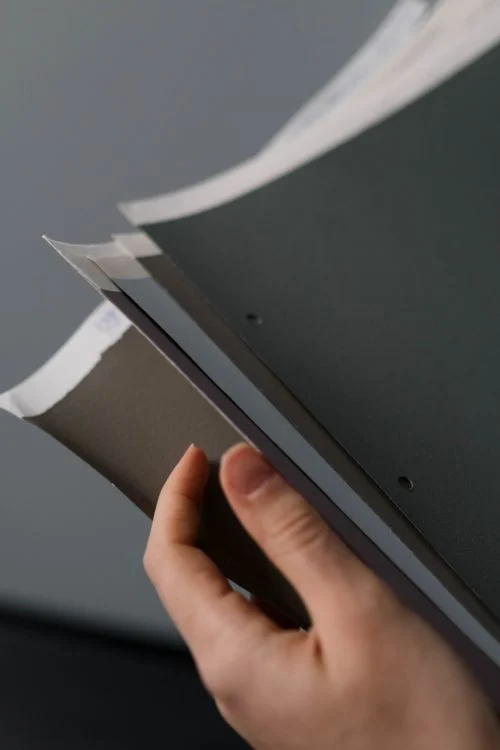
Paper samples in different colours held by hand
Material samples support appearance discussions. Distinguish what they confirm from structural and finished samples.

When something changes, reopen the approvals it affects

Changing the face paper, insert material, dimensions or forming method does not always require a complete new sample, but it does require a review of which earlier conclusions no longer apply. New paper may change colour and feel; a revised insert may change fit and lid clearance; a different assembly method may affect delivery state and timing.

Send OKKEY your current sample, product and revision notes. We can help turn them into a one-page approval list showing which sample is still needed, what to follow during production and what information should be used before shipment. Sampling can identify batch issues, but scope, method and responses to exceptions still need to be agreed for the project.
MALAYSIA OFFICE · CHINA SUPPLY CHAIN · GLOBAL SOURCING B2B SOURCING
All procurement guides

The sample looks right. Why can the bulk order still feel different?

A gift-box sample cannot define a bulk order with a simple “OK”. Record the version, materials, assembly and appearance criteria so production and receiving teams work from the same reference.

Published
Hinged gift box with a circular insert opening
Box structure, insert opening and assembly condition should refer to the same approved version.
In this guide
  1. First identify what kind of sample you have
  2. Turn “produce as per sample” into an approval sheet
  3. Check product-to-box fit across a batch, not one lucky pair
  4. When something changes, reopen the approvals it affects

First identify what kind of sample you have

A plain sample can check structure, opening and product fit, but it cannot confirm final print colour. A sample made with substitute paper or a manual process may not represent the feel, corners or surface finish of mass production. The better a sample looks, the easier it is to overlook what it was actually made to verify.

Before approval, ask three questions: which final materials were used, which steps match the bulk process, and which features are only for checking structure or position. The answers define what can be approved now, before a finished order creates a debate about what “looks different” means.

Turn “produce as per sample” into an approval sheet

A useful approval record gives production, inspection and receiving teams the same version. Instead of “sample approved”, write: “Box structure, opening and product removal approved; face-paper colour and foil effect pending final material sample.” Separate approved, pending and substitute items so the schedule is not built on different assumptions.

  • Versionsample number, date, structural drawing and artwork belong to the same revision.
  • Materialsface paper, board, insert and surface finish are recorded separately; substitutes are clearly marked.
  • Assemblymagnets, ribbons and inserts are identified as fitted or loose, with the bulk-delivery state stated.
  • Appearancecolour reference, artwork position, wrapped edges and corners have an agreed basis for review.
  • Approval scopeapprover, date, approved and pending items, plus the physical sample or photo record retained by both sides.

Check product-to-box fit across a batch, not one lucky pair

One product fitting one insert proves only that pair. If the product can vary, identify the dimensions that affect assembly—such as the widest point, height, projections and removal space—then discuss the acceptable range. A loose fit can allow movement; a tight fit can hinder removal; contact with the lid can change how the box closes.

Colour should not be judged from phone photos alone. Lighting, cameras and screens alter appearance, so important colours can be discussed against an agreed colour reference and retained physical sample. Front branding, visible interior areas and concealed surfaces may also need different priorities based on use.

Paper samples in different colours held by hand
Material samples support appearance discussions. Distinguish what they confirm from structural and finished samples.

When something changes, reopen the approvals it affects

Changing the face paper, insert material, dimensions or forming method does not always require a complete new sample, but it does require a review of which earlier conclusions no longer apply. New paper may change colour and feel; a revised insert may change fit and lid clearance; a different assembly method may affect delivery state and timing.

Send OKKEY your current sample, product and revision notes. We can help turn them into a one-page approval list showing which sample is still needed, what to follow during production and what information should be used before shipment. Sampling can identify batch issues, but scope, method and responses to exceptions still need to be agreed for the project.