
Language

All procurement guides

Similar-looking glasses: why is price alone not enough?

Similar silhouettes can hide different capacity definitions, dimensions, rims, decorations and conditions of use. Filter by the real application before comparing prices on a like-for-like specification.
Published
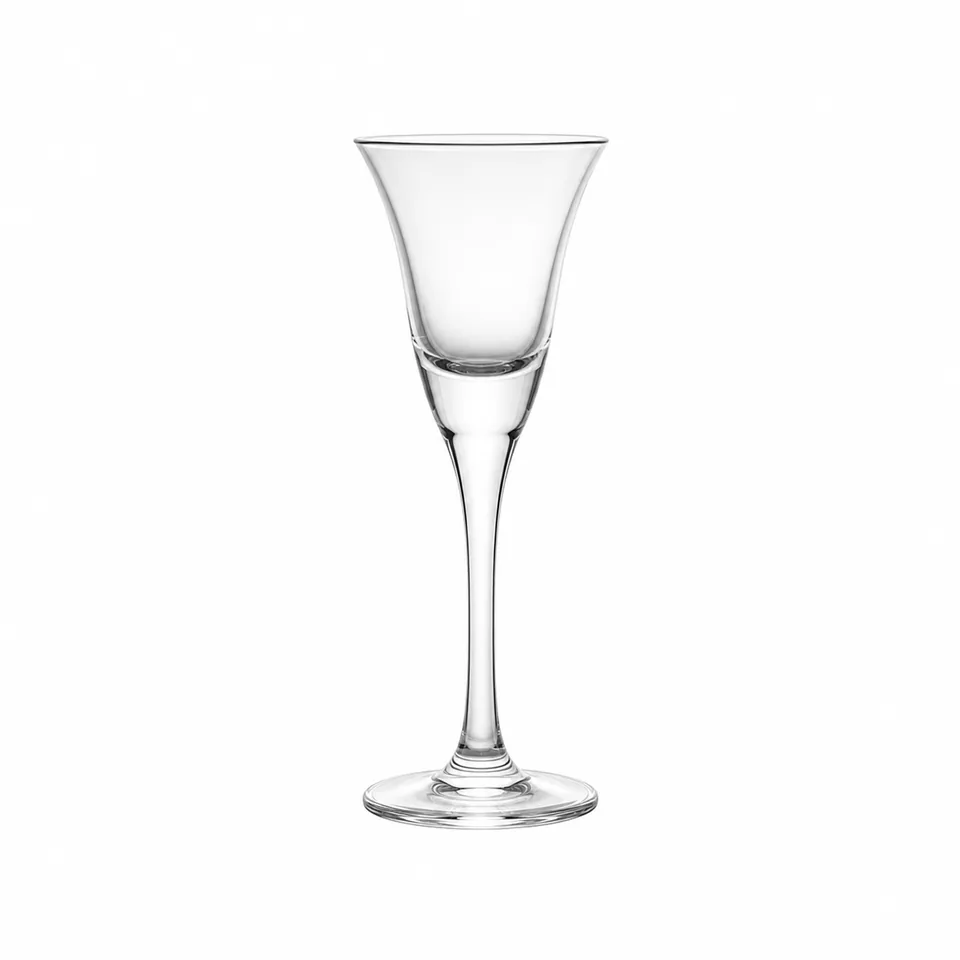
Clear glass with a short stem
Appearance helps with initial selection; capacity definitions, dimensions and conditions of use need further confirmation.
In this guide
  1. One shape creates three different buying briefs
  2. Align capacity and critical dimensions before reviewing samples
  3. Keep “thick, clear and ringing” in the appearance discussion
  4. Ask OKKEY for a use-based shortlist, not a page of similar pictures

One shape creates three different buying briefs

A hotel breakfast area considers daily handling, washing and storage. A bar needs the glass to match serving volume, racks and operating routines. A branded gift must also account for logo position, set packaging and unboxing. All three may choose a similar silhouette, but they should not use the same lowest-price ranking.

State the beverage, serving temperature, washing method, storage, destination market and quantity at enquiry stage. The shortlist can then move from “looks similar” to “fits this use”.

Align capacity and critical dimensions before reviewing samples

A capacity figure may mean brimful capacity or a recommended serving level. For measured serves, agree on the definition first. For an existing rack or gift box, lock the height, rim and base diameters, plus any projection that affects fit. One sample fitting one insert confirms only that pair; batch variation still needs project-specific discussion.

  • Servingtarget fill and any headspace needed for foam, garnish or ingredients.
  • Handlingrim feel, grip area and stability on a suitable flat surface.
  • Equipment and packagingcritical dimensions for racks, washers, gift boxes or inserts.
  • Appearancevisible areas requiring consistency and the agreed basis for inspection.

Keep “thick, clear and ringing” in the appearance discussion

Photos, weight, thickness, sound and hand feel cannot by themselves identify glass composition or prove suitability for hot drinks, thermal shock or repeated machine washing. Where the project needs these conditions, food-contact information or a specific decoration, review evidence that matches the material, model, decoration and destination market, including the tested sample, test items and scope.

Custom branding also needs to be judged in use. A visual can confirm position, but not the colour, edge or feel on a physical glass. Designs near the rim, subject to repeated washing or placed in a food-contact area require review for the specific proposal.
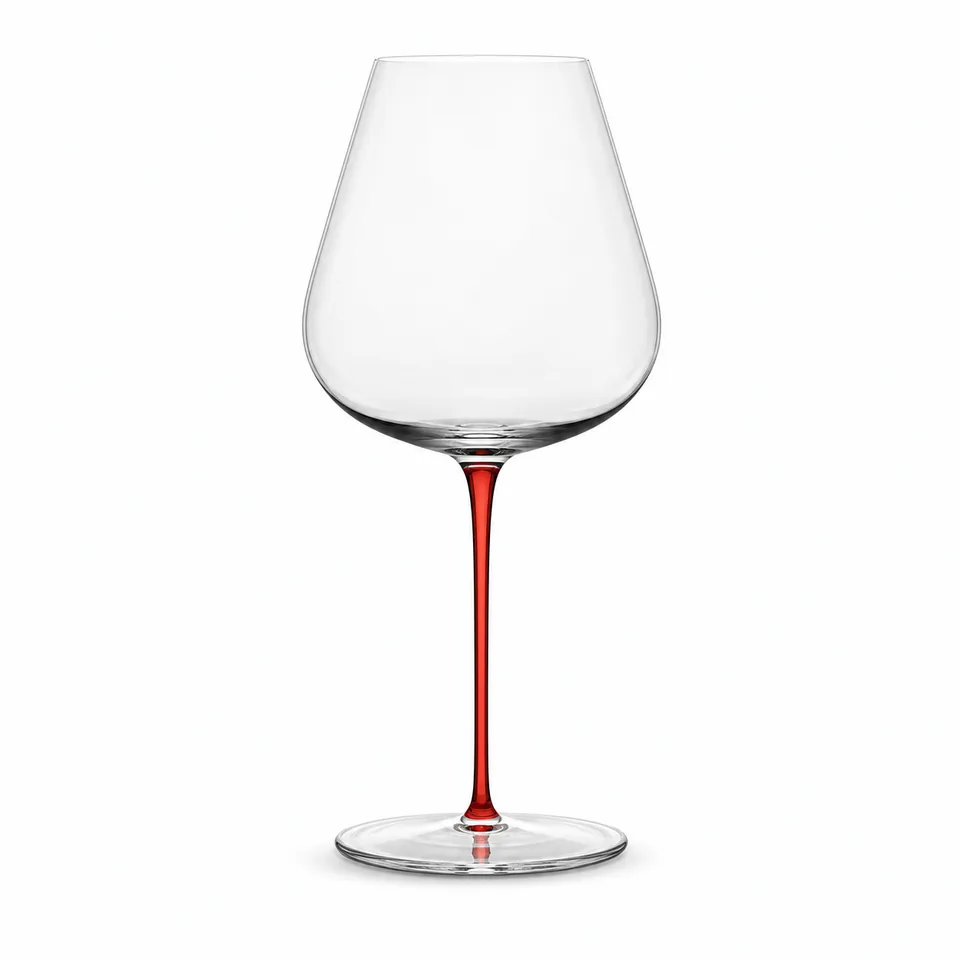
Stemmed glass with a red stem
Consider support for the slender stem and bowl separately. A product photograph is not evidence of transport performance.

Ask OKKEY for a use-based shortlist, not a page of similar pictures

Send a shape reference, target capacity, quantity, use and washing method, and destination market. If you have a rack, gift box or insert, include its critical dimensions or a sample. We can organise candidates by use, fit, customisation and information still to be verified before sample and price comparison.

The best choice is not the model with the longest specification sheet. It is the one whose use, appearance, packaging and delivery requirements work together. Once you move to sampling, the focus can then be on validating the selected option's fit instead of starting again with a page of similar-looking models.

MALAYSIA OFFICE · CHINA SUPPLY CHAIN · GLOBAL SOURCING B2B SOURCING
All procurement guides

Similar-looking glasses: why is price alone not enough?

Similar silhouettes can hide different capacity definitions, dimensions, rims, decorations and conditions of use. Filter by the real application before comparing prices on a like-for-like specification.

Published
Clear glass with a short stem
Appearance helps with initial selection; capacity definitions, dimensions and conditions of use need further confirmation.
In this guide
  1. One shape creates three different buying briefs
  2. Align capacity and critical dimensions before reviewing samples
  3. Keep “thick, clear and ringing” in the appearance discussion
  4. Ask OKKEY for a use-based shortlist, not a page of similar pictures

One shape creates three different buying briefs

A hotel breakfast area considers daily handling, washing and storage. A bar needs the glass to match serving volume, racks and operating routines. A branded gift must also account for logo position, set packaging and unboxing. All three may choose a similar silhouette, but they should not use the same lowest-price ranking.

State the beverage, serving temperature, washing method, storage, destination market and quantity at enquiry stage. The shortlist can then move from “looks similar” to “fits this use”.

Align capacity and critical dimensions before reviewing samples

A capacity figure may mean brimful capacity or a recommended serving level. For measured serves, agree on the definition first. For an existing rack or gift box, lock the height, rim and base diameters, plus any projection that affects fit. One sample fitting one insert confirms only that pair; batch variation still needs project-specific discussion.

  • Servingtarget fill and any headspace needed for foam, garnish or ingredients.
  • Handlingrim feel, grip area and stability on a suitable flat surface.
  • Equipment and packagingcritical dimensions for racks, washers, gift boxes or inserts.
  • Appearancevisible areas requiring consistency and the agreed basis for inspection.

Keep “thick, clear and ringing” in the appearance discussion

Photos, weight, thickness, sound and hand feel cannot by themselves identify glass composition or prove suitability for hot drinks, thermal shock or repeated machine washing. Where the project needs these conditions, food-contact information or a specific decoration, review evidence that matches the material, model, decoration and destination market, including the tested sample, test items and scope.

Custom branding also needs to be judged in use. A visual can confirm position, but not the colour, edge or feel on a physical glass. Designs near the rim, subject to repeated washing or placed in a food-contact area require review for the specific proposal.

Stemmed glass with a red stem
Consider support for the slender stem and bowl separately. A product photograph is not evidence of transport performance.

Ask OKKEY for a use-based shortlist, not a page of similar pictures

Send a shape reference, target capacity, quantity, use and washing method, and destination market. If you have a rack, gift box or insert, include its critical dimensions or a sample. We can organise candidates by use, fit, customisation and information still to be verified before sample and price comparison.

The best choice is not the model with the longest specification sheet. It is the one whose use, appearance, packaging and delivery requirements work together. Once you move to sampling, the focus can then be on validating the selected option's fit instead of starting again with a page of similar-looking models.